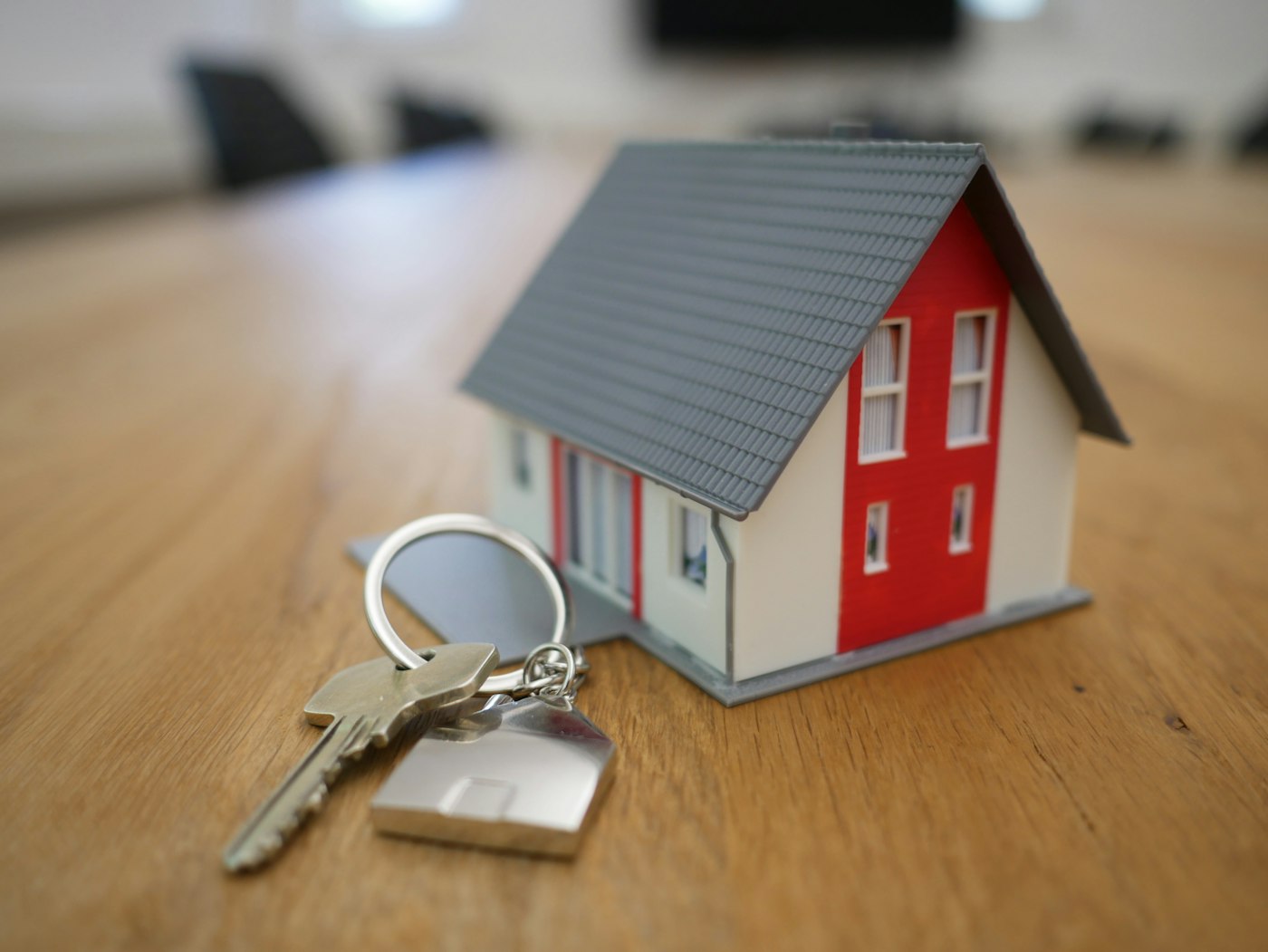
For years, the deal with an ADU was simple: you build it, you rent it out, and it stays tied to your property forever. A new California law is changing that. Under Assembly Bill 1033, homeowners in participating cities can now sell an ADU as a completely separate home with its own title — just like a condo. And if you own property in the City of Santa Cruz, you can do this right now.
What Is AB 1033?
Governor Newsom signed Assembly Bill 1033 on October 11, 2023, and it took effect January 1, 2024. The law gives California cities the option to let homeowners convert an ADU into a standalone condominium unit that can be sold independently from the main house. The land is not split. Instead, the property is legally restructured so both the main house and the ADU exist as separate condo units on the same lot — each with its own deed, property tax bill, and financing.
This is genuinely new territory. Before AB 1033, your ADU could generate rental income, but the only way to cash out was to sell the entire property. Now, in cities that have opted in, you can sell just the ADU and keep your home — or sell both separately to two different buyers.
"The very first AB 1033 sale in California happened in San Jose in August 2025 — a 749-square-foot backyard ADU sold for $530,000 as a standalone condo."
The Legal Mechanism: How the Sale Actually Works
The process is not as simple as listing your ADU on Zillow. There are real legal and financial steps involved:
- Condominium Map: You hire a licensed surveyor to draft a condominium subdivision map that defines the boundary of each unit on the lot. This map gets recorded with the county.
- Two-Unit HOA: State law requires establishing a Homeowners Association — even if it only has two members (you and the future ADU owner). The HOA governs shared areas like driveways, rooflines, landscaping, and utility easements.
- CC&Rs: You write Covenants, Conditions, and Restrictions that spell out each unit's maintenance responsibilities and how shared costs are divided.
- Separate Utilities: The city may require the ADU to have its own water, power, and gas meters running directly to the street — not shared through the main house meter.
- Lender Consent: If you have an active mortgage on your primary home, your lender must give written approval before the property can be restructured. Many lenders are still figuring out their policies on this.
Where It's Allowed on the Central Coast
AB 1033 is not automatic everywhere in California. Each city and county must pass its own local ordinance to activate it. Here's the current status across the Central Coast:
| City / Area | AB 1033 Status | Notes |
|---|---|---|
| City of Santa Cruz | Active Now | Adopted via Ordinance 2024-18. Homeowners can start this process today. |
| Santa Cruz County (Unincorporated) | In Progress | Housing Advisory Commission reviewing. Needs Board of Supervisors vote + Coastal Commission sign-off. |
| San Jose | Active Now | First city in California to adopt it. First sale completed August 2025. |
| San Francisco / Berkeley | Active Now | Both fully active. |
| Santa Monica / San Diego | Active Now | Local codes approved. |
| Watsonville | Not Yet | ADUs can be rented only. No condo conversion ordinance in place. |
| Monterey (City & County) | Not Yet | Focused on pre-approved ADU plans. No AB 1033 ordinance. |
| Gilroy | Not Yet | Watching San Jose's rollout before committing. |
| Hollister | Not Yet | Prioritizing Housing Element compliance over condo conversion framework. |
The main reason coastal cities are moving slowly is the California Coastal Commission. Any Central Coast municipality that adopts AB 1033 must also get their Local Coastal Program certified to align with it — and the Coastal Commission scrutinizes any change that could affect coastal density or resource access.
Why the 750 Square Foot Threshold Matters
The Impact Fee Exemption
California law exempts ADUs under 750 square feet from local impact fees. For a converted garage ADU in that size range, this can mean $20,000–$50,000 in savings depending on the city. The San Jose ADU that sold for $530,000 was 749 square feet — one foot under the limit. That was not a coincidence.
What This Means for Garage Conversions
Garage conversions are already the most cost-effective ADU option — no foundation, no new framing, and in Santa Cruz County, no requirement to replace lost parking spaces. Under AB 1033, a converted garage inside Santa Cruz city limits now has a third option beyond living there yourself or renting it out: sell it.
Think about what that means for total return. A garage conversion in the Santa Cruz area typically costs $80,000–$150,000 fully finished. With ADUs in the city selling well above $400,000 as standalone condos, the math for building to sell is worth running seriously.
The Real Complications You Should Know About
We want to be straight with you — this is a genuinely exciting option but it is not plug-and-play yet:
- Lenders are still cautious. Not every bank has a clear policy on restructuring a mortgaged property this way. Getting lender consent can be a real hurdle.
- The HOA paperwork is real work. Even a two-unit HOA needs properly drafted CC&Rs, a budget, and a maintenance plan. You will need a real estate attorney.
- The condominium map costs money. Survey and map recording fees typically run $3,000–$8,000 depending on complexity.
- Buyers need their own financing. ADU condo financing is still a new product category. Some lenders are there; others are not yet.
"If you are inside City of Santa Cruz limits and thinking about building an ADU, the sell-as-a-condo option is worth including in your planning conversation from day one — not as an afterthought."
What Should You Do Now?
If you own property inside the City of Santa Cruz, the door is open. If you are in unincorporated Santa Cruz County, watch the Board of Supervisors — that vote is coming. If you are in Watsonville, Gilroy, or Monterey, the law is not there yet but rental income on a finished ADU is still a strong return.
The best first step is understanding what your specific property allows under current zoning, and what an ADU conversion or build would actually cost to finish. That conversation starts with a site visit.
Contact Peninsula Construction for a free estimate — Richard Rodriguez has been building ADUs, converting garages, and navigating Santa Cruz County permits for over 30 years. He knows what's actually involved, city by city.